Ardelion: The Signature Script for Modern Branding
There’s a distinct feeling that comes with a genuine handwritten signature—it’s personal, confident, and entirely unique. In a digital world saturated with clean, geometric typefaces, that human touch can be the very thing that sets a brand apart. Ardelion is a premium font built to capture that exact feeling. It’s not just another script font; it’s a textured, flowing typeface designed to inject authentic personality into your creative projects, from logo design to wedding stationery.
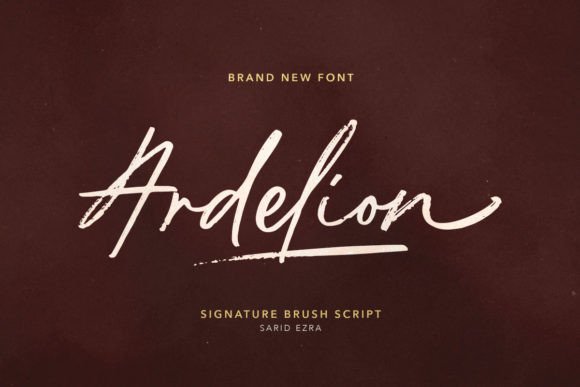
What immediately stands out about Ardelion is its character. This isn't a sterile, perfect script. The brush-like strokes have a visible texture, giving it a handcrafted, artisanal quality. This texture prevents it from looking overly digital or generic. The letterforms flow with a natural, confident rhythm, creating a sense of movement and elegance. As a display font, its primary role is to make a statement, and it does so with a style that feels both contemporary and timeless. It’s the kind of typeface that suggests a story behind the brand, making it a powerful tool for modern typography that prioritizes connection over mere legibility.
Where Ardelion Truly Shines
Understanding where a font like Ardelion excels is key to using it effectively. Its personality makes it a natural fit for projects where emotion, elegance, and a personal touch are paramount.
Crafting an Unforgettable Brand Identity
For entrepreneurs and small business owners, your logo is the cornerstone of your brand identity. Ardelion is exceptionally suited for creating logos in the fashion, beauty, lifestyle, and artisanal food industries. Think of a boutique clothing label, a high-end skincare line, or a specialty coffee roaster. The font’s elegant script conveys quality and care, while its textured feel adds a layer of authenticity that a standard sans serif font might lack. Using Ardelion for your primary logo wordmark instantly communicates a brand that values craftsmanship and personal connection.
Elevating Editorial and Packaging Design
In editorial design, such as magazine headers or chapter titles in a book, Ardelion can add a dramatic, stylish flair. It draws the reader in and sets a specific mood. Similarly, in packaging design, it’s a standout choice. Imagine it on the label of a gourmet jam, a scented candle, or a bottle of artisanal liqueur. It suggests the product inside is special, made with intention. This creative font helps products jump off the shelf by telling a visual story of quality and care before the customer even reads a single line of description.
Perfect for Personal and Celebratory Projects
Beyond commercial use, Ardelion is a perfect design asset for personal milestones. Its flowing elegance makes it a premier choice for wedding invitations, save-the-date cards, and event signage. It brings a romantic, celebratory feel to the typography. For bloggers and content creators, it’s an excellent tool for creating beautiful social media graphics, particularly for quote images or stylized headers. It adds a level of sophistication that can elevate a simple Instagram post into a piece of curated visual content.
Practical Guidance for Using Ardelion Effectively
A great handwritten font is only as good as its implementation. Using a display script like Ardelion requires a thoughtful approach to ensure it enhances, rather than hinders, your design. Here’s how to get the most out of it.
Font Pairing is Your Best Friend
The number one rule with a strong script font is to pair it wisely. Because Ardelion has so much personality, it needs a simpler counterpart to create balance and ensure readability. For body text or supporting information, pair it with a clean, neutral serif font for a classic, elegant look, or a simple sans serif font for a more modern, minimalist contrast. For example, a logo using Ardelion might be complemented by a sans serif like Lato or Montserrat for website navigation and product descriptions. This creates a clear visual hierarchy, where Ardelion handles the high-impact headlines while the secondary font manages the information-heavy text.
Explore the Stylistic Alternates and Ligatures
Ardelion isn’t a one-note font. It comes loaded with features designed to give you creative control. The included stylistic alternates are different versions of certain letters, allowing you to customize the look of your text to avoid repetitive letter shapes, which is crucial for a natural script. The custom ligatures seamlessly connect specific letter pairs, making the script flow more realistically. Taking the time to explore these OpenType features in your design software can transform a standard word into a truly unique logotype or headline. This is where you move from simply using a font to truly designing with it.
Consider Readability and Context
While Ardelion is beautiful, it’s a display font, not a workhorse for long paragraphs. Its strength is in short bursts of high-impact text: logos, headers, pull quotes, and call-to-action phrases. Using it for body copy would quickly become a strain on the reader’s eyes. Always prioritize your audience’s experience. Use it to draw attention and convey style, but rely on a more legible typeface for the core message. This practical consideration is a hallmark of professional web design and print layout.
Licensing and Project Fit
As a commercial font, Ardelion comes with a license that dictates how you can use it. Before purchasing, always review the license details to ensure it covers your intended use, whether for a single client project, multiple products, or digital goods. This is a critical step for designers and business owners to ensure compliance. Evaluating if Ardelion is the right fit means looking at your project’s overall tone. If you’re aiming for corporate, tech-forward, or highly utilitarian design, a script like this might feel out of place. But if your goal is to create something warm, personal, elegant, and memorable, Ardelion is a premium font that delivers significant value as a core part of your creative toolkit. It’s more than just letters on a page; it’s a strategic tool for building a brand that feels genuinely human.